The Polki Edit: Jewellery That Outlives the Wedding
Words by Mansi Dhanak · 24 September 2026
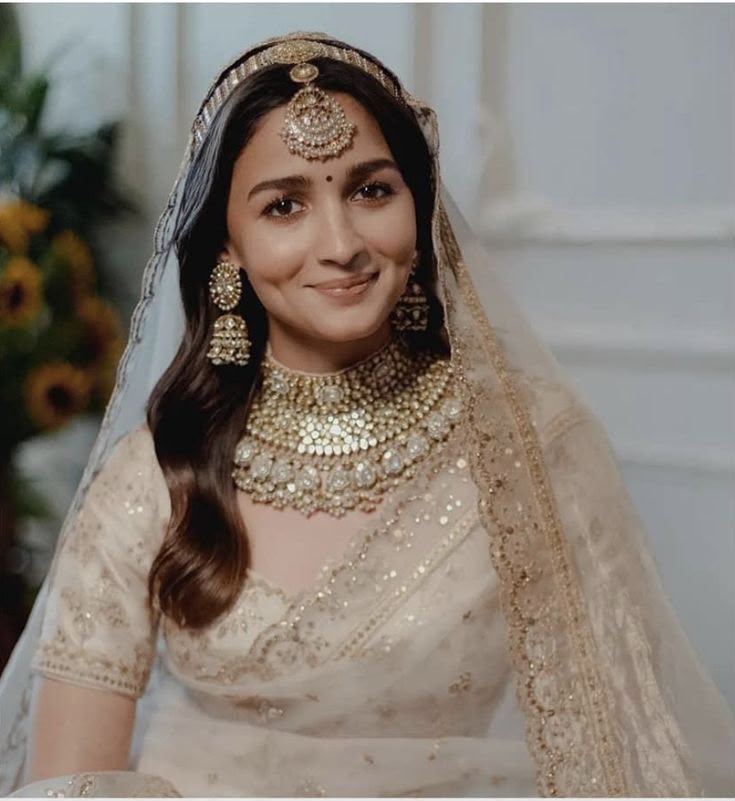
Uncut diamonds, hand-worked gold and four centuries of patience. Why polki remains the true heirloom of the Indian bride.
Some wedding purchases live in a trousseau. A few live in a family.
Polki, with its uncut diamonds set in gold the way Mughal courts wore them, belongs firmly in the second camp. It is the jewellery a bride wears on her wedding day, and the jewellery her daughter will one day borrow.
Why Uncut Endures
Polki is not polished into perfection, and that is precisely its power. Each stone keeps its natural character, so no two pieces ever look identical. In an age of mass-produced sparkle, that irregularity reads as soul.
Jadau setting, the technique that holds these stones, is among the oldest jewellery crafts in India. A single choker can take artisans weeks, the gold worked by hand, the stones foiled and set one at a time.
Heirloom is not a price point. It is a promise.
How Brides Are Wearing It Now
The new polki bride layers with intention. A satlada for the pheras, a choker for the sangeet, studs that will go to work with her after the wedding. She is buying fewer pieces and better ones.
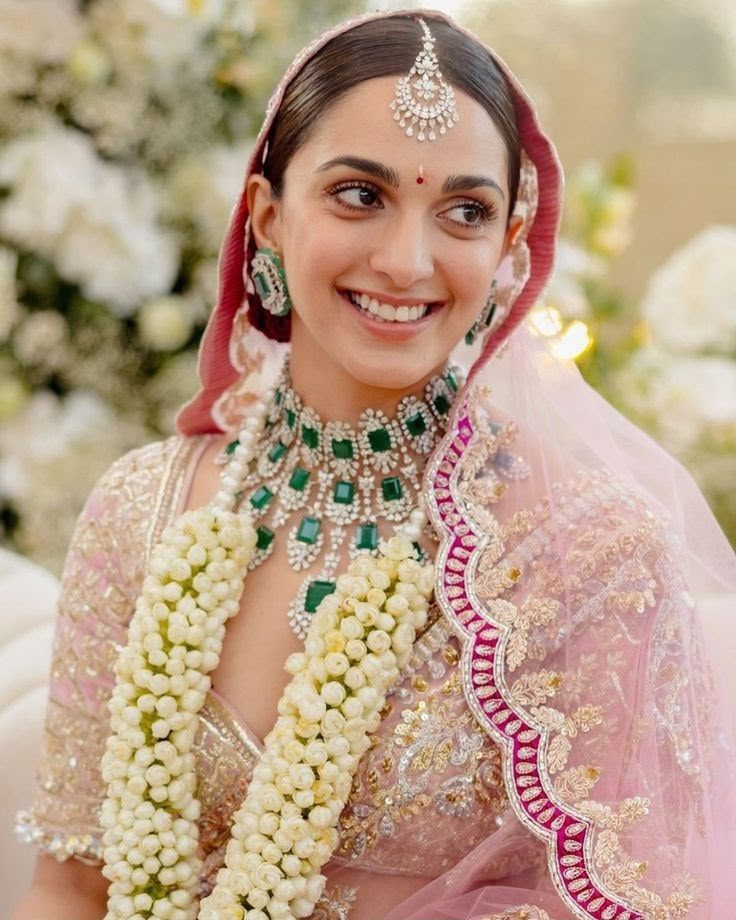
Emeralds and pearls have become the favoured companions, softening the gold and giving the set a life beyond the wedding wardrobe.
The Investment Question
Families have always treated bridal jewellery as security. Today's brides treat it as legacy. Ask what a piece will look like in thirty years, on someone you love, and buy accordingly.
The trend cycle will keep spinning. Polki simply waits it out, the way it has for four centuries.
Filed under Haute Couture
The Brides of India Edit