Inside the Pastel Mandap Movement
Words by TBOI Staff · 24 September 2026
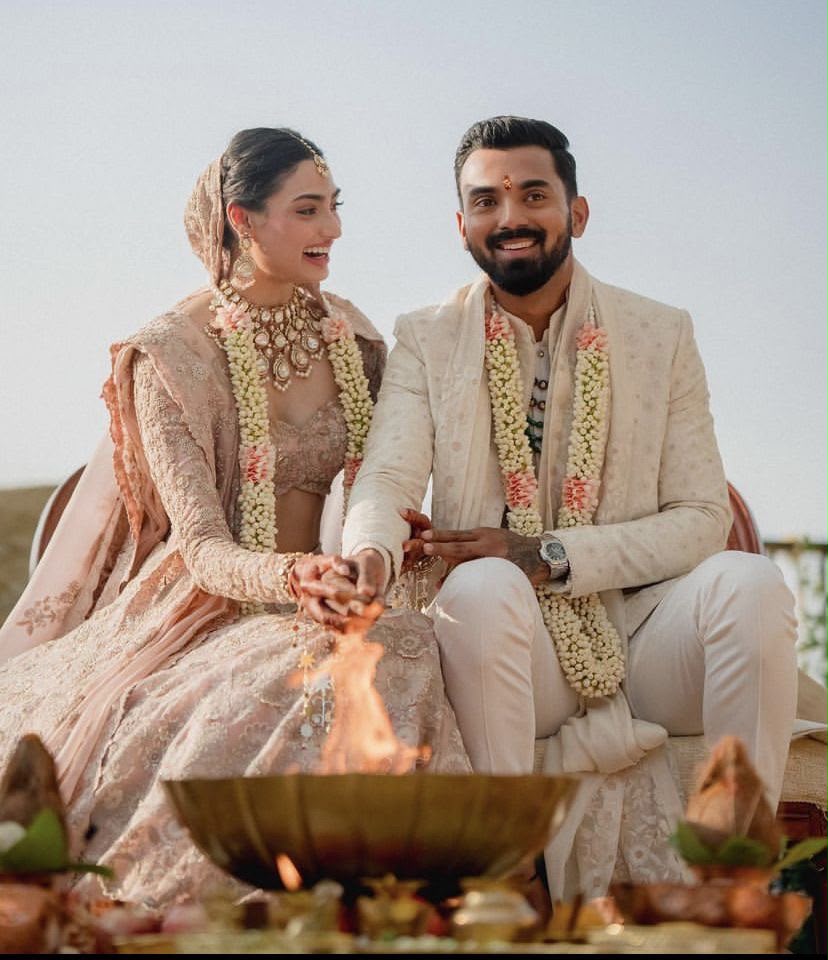
Blush, mint and ivory have taught the Indian mandap a second language. Inside the decor movement that made soft feel grand.
For decades, the Indian mandap spoke in one register: marigold, crimson, gold. Glorious, unmistakable, and until recently, unquestioned.
Then pastel arrived, and the mandap learned a second language.
How Soft Took Over
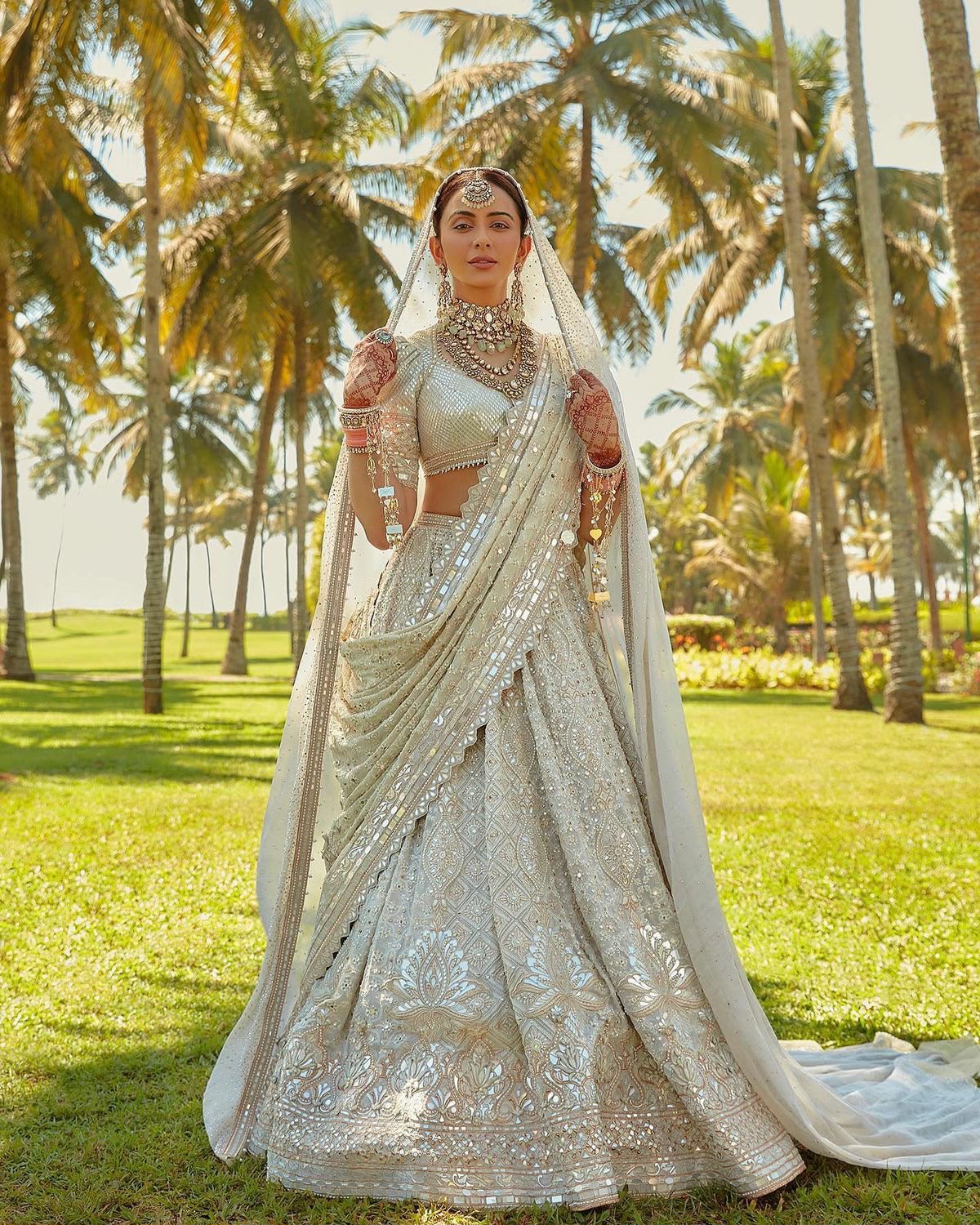
Blush pink, powder blue, mint, lavender, ivory. The pastel mandap began as an experiment among a handful of designers and has become one of the defining decor movements of recent years.
What makes it work is contrast. Against the colour and energy of an Indian celebration, a soft mandap reads as calm. It gives the eye a place to rest, and it photographs beautifully in daylight.
The Craft Behind the Calm
Do not mistake soft for simple. The pastel mandaps we love most are feats of engineering and floristry. Cascades of imported roses mixed with Indian jasmine. Hand-dyed fabrics layered to create depth within a single colour family. Crystal and pearl strands catching the light where marigold once did.
The best designers treat pastel as a palette, not a filter. They build tonal stories, moving from ivory at the base to blush at the canopy, so the structure feels alive rather than flat.
A pastel mandap is not less Indian. It is Indian craft in a lower voice.
Will It Last?
Trends in decor move fast, but this one has roots. Pastel sits comfortably alongside both traditional rituals and contemporary styling, which is why families across generations accept it.
Our prediction: the future is not pastel versus traditional. It is both, often at the same wedding. A soft haldi, a crimson pheras, a blush reception. Couples are mixing registers the way they mix everything else now, by feel rather than by rule.
Filed under Bespoke Decor
The Brides of India Edit