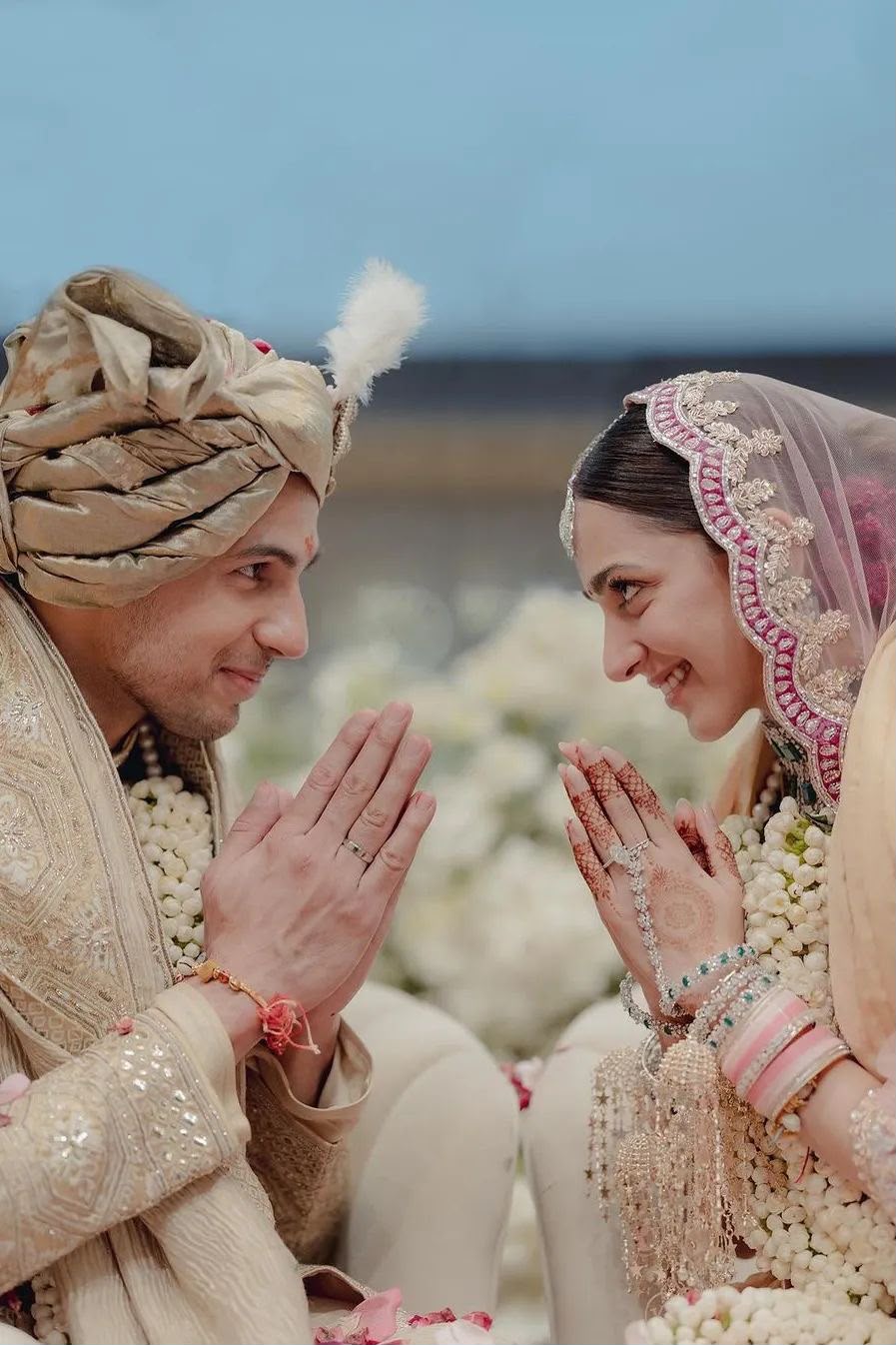
Beachside Varmalas: Why Couples Are Trading Ballrooms for the Coast
Words by Ami · 24 September 2026

The coast does something to a wedding. It slows it down and leaves only the ritual, the wind and the people who matter.
The sound of the shehnai carries differently over water.
Ask any couple who has exchanged garlands with the sea behind them and they will tell you the same thing. The coast does something to a wedding. It slows it down. It strips away the excess and leaves only the ritual, the wind and the people who matter.
The Rise of the Coastal Mandap
India's coastline has become one of the most requested wedding backdrops across our coverage. Goa remains the classic, but couples are now looking further: the cliffs of Varkala, the quiet beaches of Alibaug, the Andamans for true seclusion, and Sri Lanka and Thailand for the diaspora.
The appeal is partly visual. A mandap at golden hour needs very little dressing. But the deeper appeal is emotional. A beach ceremony feels like an exhale.
What Changes When You Wed by the Water
Everything gets lighter, literally. Fabrics breathe. Georgette, chiffon and organza replace heavy velvets. Footwear becomes optional. Decor leans on the landscape rather than competing with it: all whites, dried palms, soft pampas and local blooms.
Timings shift too. Ceremonies move to the edges of the day, dawn pheras and sunset varmalas, which means the light does half the photography for you.
The best beach weddings do not decorate the coast. They listen to it.
Planning Notes From the Shore
A few truths from the weddings we have covered. Always plan for wind, in the decor, the hair and the sound. Keep the ceremony short enough for comfort under open skies. And brief your guests. The dress code for a beach wedding is its own pleasure, and people want to get it right.
The ballroom will always have its place. But for couples who want their wedding to feel like the beginning of something unhurried, the coast is calling.
Filed under Destination Guides
The Brides of India Edit